We are Dr Nicola Kemp, Dr Jo Josephidou and Polly Bolshaw and we have been carrying out research about babies and toddlers outdoors since 2019. We’ve heard and seen how it can seem challenging to get outdoors with babies and, through research, we have identified some practical advice about how to get outdoors with babies, as well as information about why being outdoors matters to them.
We have co-designed a babyNENE toolkit with babyroom practitioners, researchers, experts from the Derbyshire Wildlife Trust, and an advisory group of consultants. The NENE in babyNENE stands for Nature Engaging and Nature Enhancing which we think sums up an attitude of mutual care and responsibility towards babies and the nature world.
Our toolkit is aimed at those who care for the youngest children, whether in a formal setting or in family or community contexts. This website gives more details about the approach and research that underpins the toolkit, as well as additional resources and videos to support how it is used in practice. We have also developed a free Open University course to help you start thinking about babies outdoors.
We launched our toolkit at a Froebel Trust online webinar, Being with Babies Outdoors, in March 2026. To find out more about the background of our toolkit, what informed it and how to use it, you can watch a recording of the webinar below:
Developed with educators for educators
This toolkit has been put together by practitioners, researchers, experts from the Derbyshire Wildlife Trust, and an advisory group of consultants. It is aimed at those who care for the youngest children, whether in a formal setting or in family or community contexts.
Focuses on child and environmental wellbeing
Research tells us that human health and wellbeing is dependent on a healthy environment. The NENE in babyNENE stands for Nature Engaging and Nature Enhancing which we think sums up an attitude of mutual care and responsibility towards babies and the natural world.
Ways to ‘be’ outdoors rather than ‘things to do’
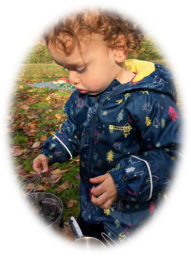
Rather than a list of activities, the toolkit is more a suggestion of ways to be outdoors with very young children. It will help you think about how the environment can be enhanced both for young children and for biodiversity. It will also help you consider some of your practices and the dispositions you would like to encourage the children to develop.
Giving babies opportunities to be outdoors
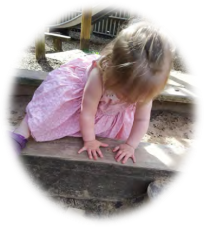
Many babies don’t have regular opportunities to spend time outdoors. They rely on adults to take them outdoors and there are health and safety concerns. Children are encouraged to be physically active in the outdoors but not in the ways that babies are physically active. The message seems to be if you can’t run and jump and climb, you belong indoors!
Benefits to babies
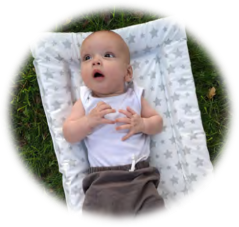
There is growing evidence that it can be beneficial to babies in many ways to spend time outdoors. For example, it can be beneficial to their learning, to their wellbeing, to their health and to their overall development. At the same time it can benefit the people who look after and care for them.
Benefits to the environment
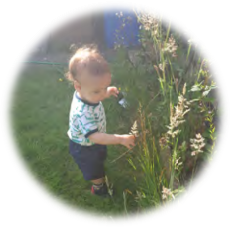
Babies are capable of learning a caring attitude towards nature from a few months old, as happens in many cultures. If children ‘grow up green’ from a young age, then they may become adults who can look after our world.
 Babies Outdoors